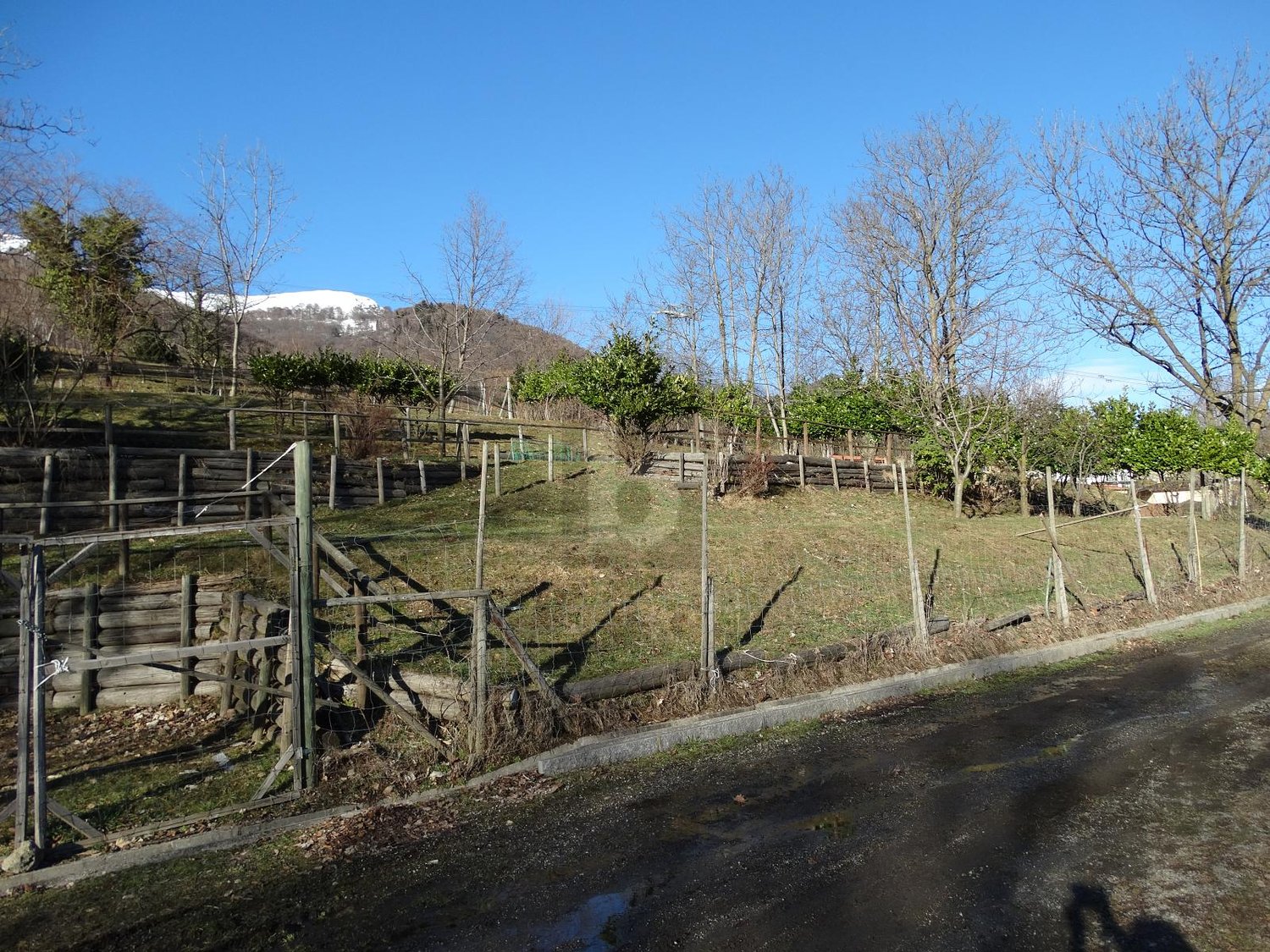
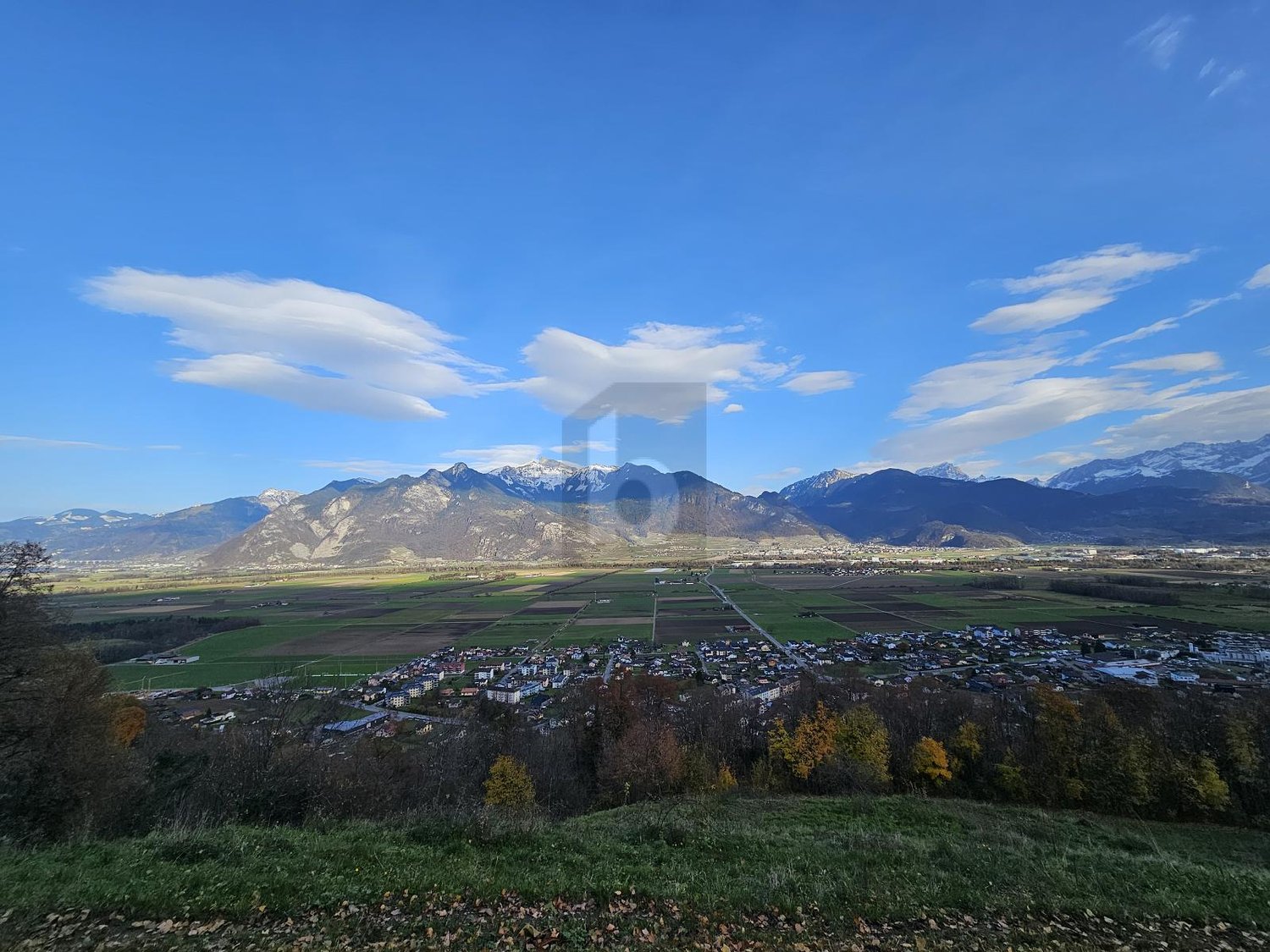
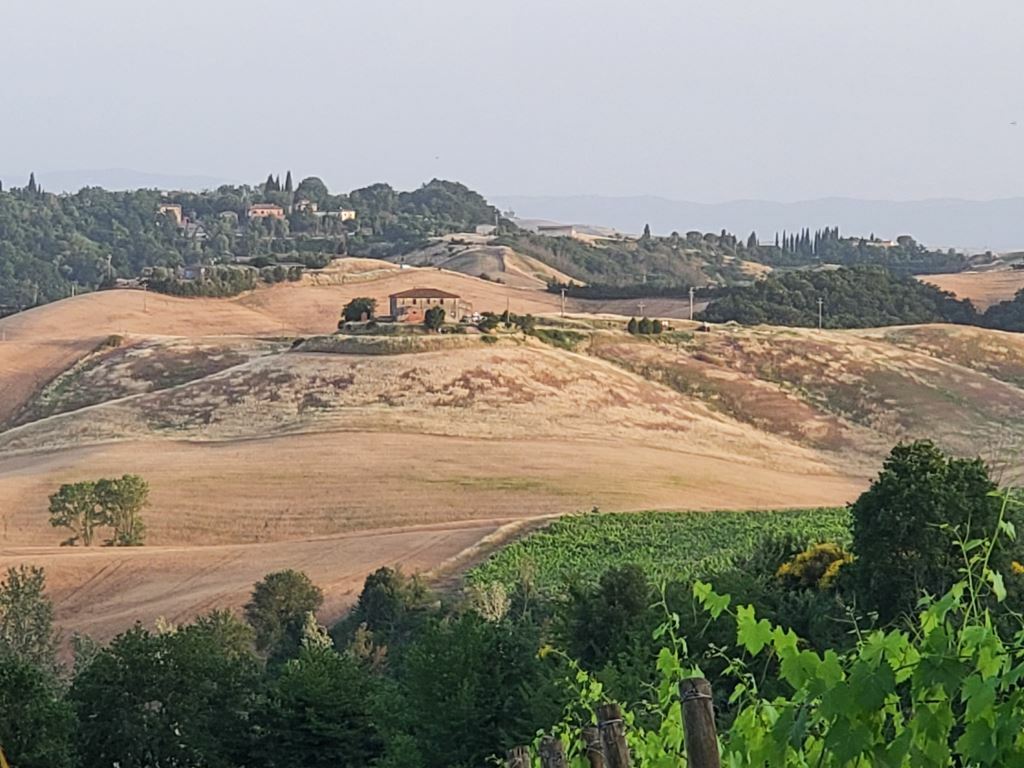
Vineyards of about 500 hectares with Olives, Forest with Truffles in Chianti
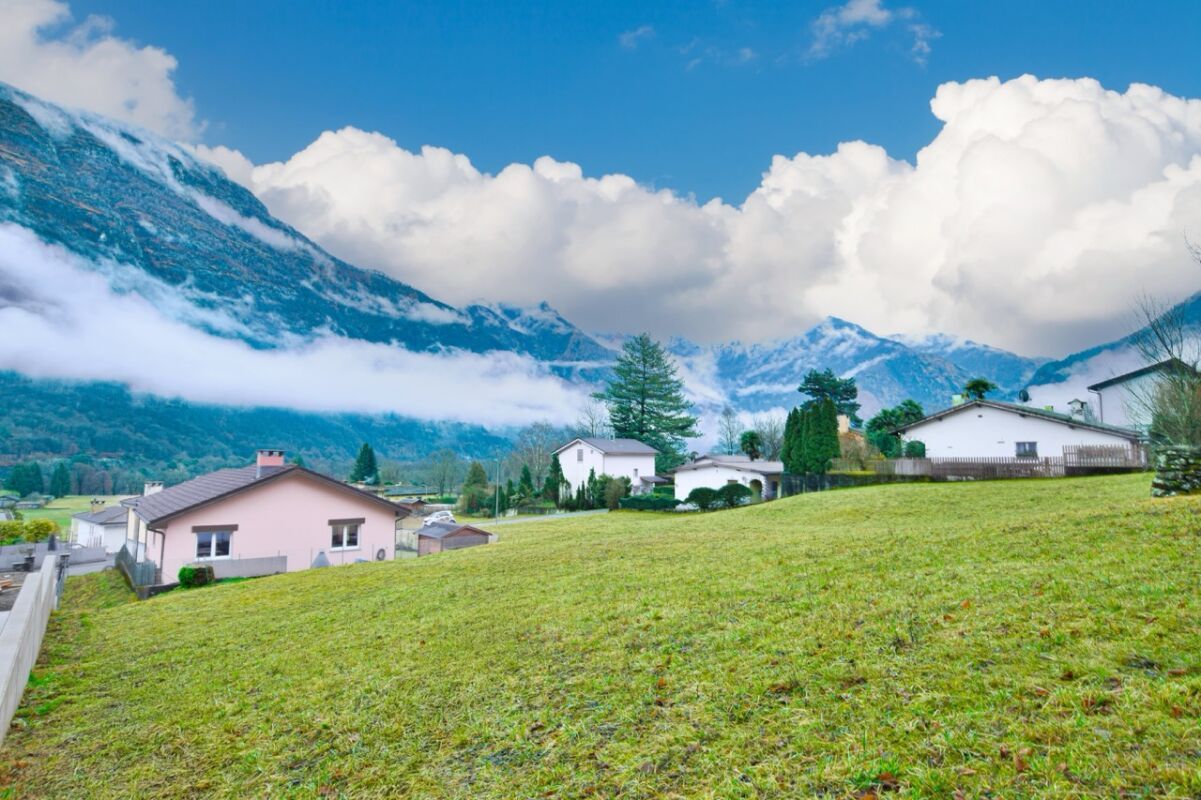
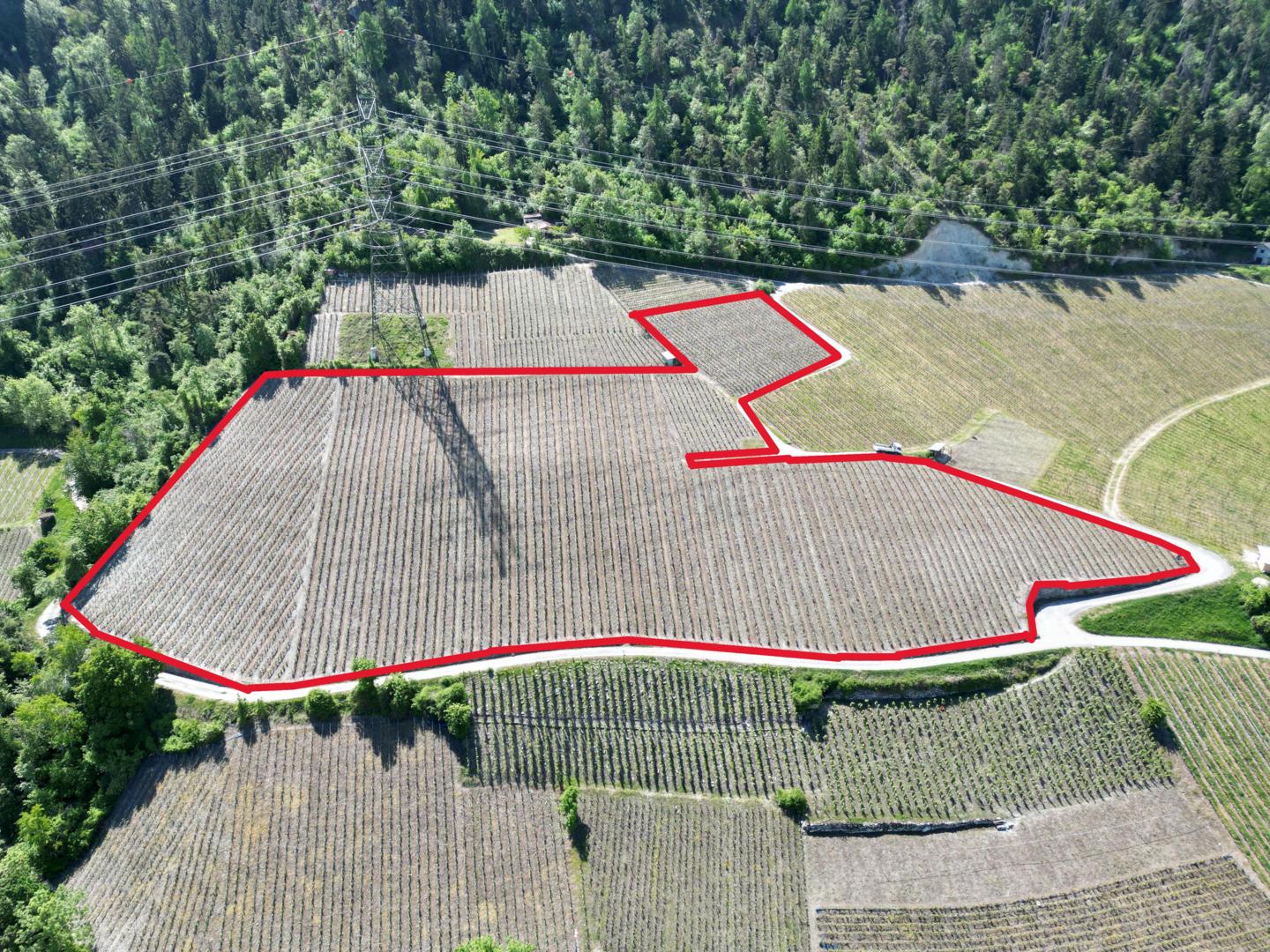
The property is located in the south of Siena in the most noble region of Chianti/Chianti Classico. Only 20 km from Siena, 90 km from Florence (high-speed train/international airport) and very well connected to the highway entrance, just 3 km away.It is difficult to find in Tuscany such a beautiful environment with such an excellent connection. The property consists of two separate vineyards, a few kilometers apart, which have been merged to form a large property with complex dimensions. The total area is approximately 500 hectares.Both properties have buildings and structures in addition to the vineyards - forests and arable land, etc. The current owner has centralized most of the wine production activities and organized the two wineries as if they were one. Some functions are located in the main winery, while others are located in other buildings.Unit oneVineyards: Chianti Superiore D.O.C.G.: 23.00 HaVineyards: Chianti Superiore D.O.C.G. - non-productive: 7.30 HaVineyards: IGT - non-productive: 3.70 HaOlives: 18.00Arable land**: 55.00 HaTruffle forest **: 140.00 HaForest**: 198.00 Ha** 290 Ha - part of a wildlife reserveTHE VINEYARDSThe grape variety composition is as follows:Sangiovese, Cabernet Sauvignon, Merlot, Syrah, Petit Verdot, Chardonnay; Sangiovese is registered in the Chianti Superiore D.O.C.G.Cultivation system:Spur pruned, with a planting density of about 5,000/5,500 plants/Ha for new plants and 2,500/3,000 plants/Ha for older systems.Average age of the vines:The vines are between 10 and 20 years old.The average production capacity of the plants is currently 3,800/4,000 quintals of grapes, which corresponds to a total production of about 3,200/3,500 hectoliters, equivalent to about 400,000/480,000 bottles per year.The average operating costs for vine cultivation are 2,500/3,500 Euros per hectare.Development with new vineyards:By cultivating the "fallow" vineyards, production could increase from the current 200,000/250,000 bottles to 300,000/350,000 bottles per year.With a rotation in the replanting of the vineyards and the introduction of masses in the drier areas, it is possible to predict a further increase of 20%, which would lead to a significant increase in production.The winery can be quickly converted to organic, thanks to the very limited use of chemicals during the season/cultivation.The environment is very healthy and statistically the impact of diseases in cultivation is not significant.OTHER CROPS AND ACTIVITIES - Olive groves:The company currently sells bulk olive oil.The potential is to produce 2,000/2,500 bottles of olive oil that could be marketed and sold as a high-quality Tuscan product and complement to the winery brands.- Arable land (for organic cultivation)The company has a lease agreement for the organic cultivation of arable land.The annual income consists of: rent + EU contributions.The company is currently studying the possibility of using 40/60 hectares of arable land near the river for the cultivation of poplars, whose financing is strongly supported by the EU.- Forest (with hunting ground)The size of the forest allows the company to apply a rotational forest management.Every year, an approved logging plan is implemented with an area of 10-20 hectares.The average income is 1,300/1,500 Euros/Ha for the sale of timber.The forest hides a large natural truffle area in some areas.TRUFFLES, FORESTS AND ARABLE LANDA large part of the forest and arable land represents a natural truffle area, divided by truffle type.Tuber uncinatum for about 84 Ha - currently with an average presence of about 10 kg of truffle product Tuber aestivum for about 51 Ha - currently...